How to Recreate Pizzeria Cheese Pizza at Home
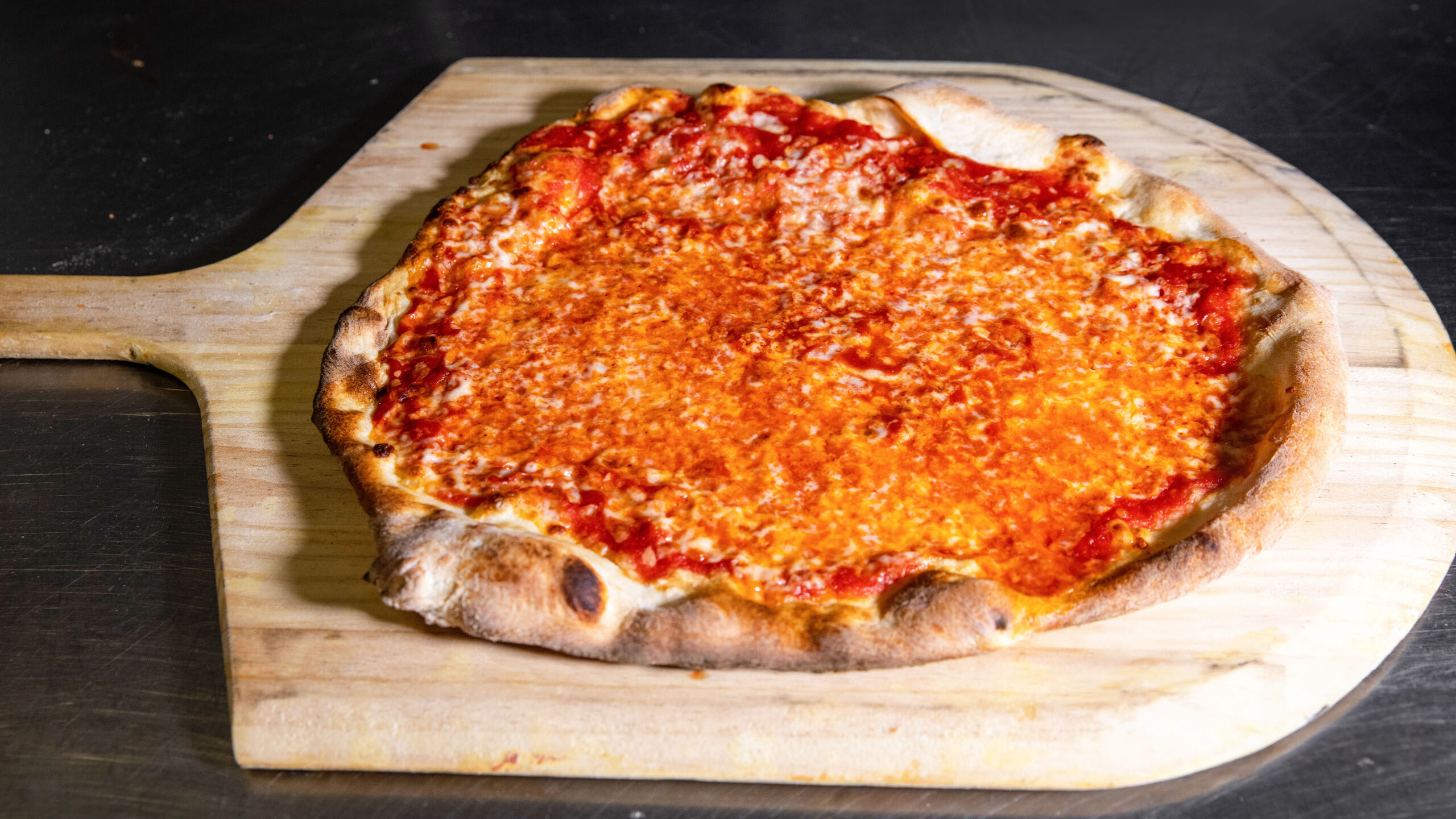
There is a reason a great pizzeria cheese pizza feels so hard to copy. On paper, it looks simple: dough, sauce, cheese, heat. In practice, every one of those elements has to pull its weight, and the margin for error is smaller than most home cooks expect. A shop pizza that tastes balanced, smells right the second the box opens, and folds cleanly without turning leathery comes from a chain of decisions that begin hours before the pie hits the oven.
The good news is that home cooks usually fail for understandable reasons, not because the result is out of reach. Most homemade pizza disappoints in predictable ways. The crust stays pale before the cheese browns. The center turns wet. The sauce tastes sharp or flat. The mozzarella releases water instead of melting into that glossy, unified layer people expect from a proper Cheese Pizza. Once you know where those problems start, the fix becomes much more straightforward.
What you are trying to recreate is not just pizza made at home. You are trying to recreate a pizzeria system with domestic equipment. That means choosing the right style target, adjusting your dough for a weaker oven, controlling moisture carefully, and learning exactly when enough cheese is enough.
Decide what kind of pizzeria pie you are chasing
Before mixing dough, it helps to get specific. "Pizzeria cheese pizza" can mean several different things depending on where you grew up or what shops you frequent. A New York style slice shop pie is very different from a small Neapolitan pie, and both differ from the average suburban American takeout pizza. If you try to combine all three, the result usually feels confused.
For most home ovens, the easiest and most satisfying target is the classic American pizzeria cheese pizza in the New York orbit: a medium-thin crust, crisp underside, chew at the rim, light but not sparse tomato sauce, and low-moisture mozzarella that browns in spots. That style translates better to a standard kitchen because it does not require the blistering 800 to 900 degree heat a true Neapolitan pie needs. You can still make an excellent pie at home with a 500 to 550 degree oven if you tune the dough and baking surface for it.
This matters because dough formulas are built around the oven. A pizzeria deck oven and a home oven do not heat the same way. Commercial ovens recover temperature fast, radiate more intensely, and bake top and bottom more evenly. At home, bottom heat is often your limiting factor. The crust may need more direct contact with a very hot steel or stone, and your dough may benefit from a little sugar or malt for color if your oven runs cool.
The dough is where the pizzeria feel begins
People often obsess over toppings because they are visible. Professionals know the crust determines whether the whole pizza reads as serious or amateur. A good pizzeria crust is not just bread under cheese. It has enough structure to support toppings, enough extensibility to stretch without tearing, enough fermentation to taste developed, and enough dryness on the surface to bake cleanly.
For a dependable home formula, think in baker's percentages. A strong bread flour or high-protein all-purpose flour works well. Hydration in roughly the 60 to 65 percent range is a practical sweet spot for many home ovens. Lower can feel stiff and dry. Higher can be excellent, but it becomes harder to launch and easier to underbake in an average kitchen.
Salt matters more than many recipes let on. Around 2 to 2.5 percent gives you a seasoned crust rather than a bland one. Yeast can be modest if you are fermenting the dough overnight or longer in the refrigerator. That longer cold fermentation is one of the clearest ways to move homemade pizza toward pizzeria flavor. It builds aroma, helps browning, and gives the dough a more relaxed stretch.
A simple dough process works well. Mix until no dry flour remains, let it rest, knead or fold until reasonably smooth, then portion and refrigerate. I prefer dividing into individual dough balls before the cold rise because it reduces handling later and helps each piece ferment more evenly. Most home pizza dough improves noticeably after 24 hours. Somewhere between 24 and 72 hours is often the sweet spot. Past that, the dough can still be usable, but the window narrows and the gluten can weaken.
If you have ever baked a pizza that tasted like warm flatbread rather than pizzeria crust, fermentation was probably part of the issue. The dough may have been too young, too cold when shaped, or overproofed to the point that it lost strength. A dough ball taken straight from the refrigerator fights you. One left too long at room temperature turns sticky and weak. In many kitchens, letting it warm for 1 to 2 hours is enough, though cool rooms and winter conditions can stretch that longer.
Flour choice quietly changes the whole pizza
Flour tends to get reduced to brand loyalty, but what matters most is protein level and how the flour behaves in your kitchen. Bread flour around 12 to 13 percent protein usually gives the chew many people associate with shop pizza. Standard all-purpose flour can still make a good pie, especially if it is on the stronger side, but the crust may feel a little more tender and less structured.
Some home bakers chase imported specialty flour before they have learned their oven. That is usually backward. A reliable domestic bread flour, used well, will outperform an exotic flour used poorly. Learn what hydration it likes, how quickly it ferments, and how much flour you need for stretching. Familiarity matters.
If you want a slightly crisper, more old-school slice-shop finish, a small amount of olive oil in the dough can help, though many pizzeria formulas use little or none. There is no single correct answer. The trade-off is subtle. Oil can soften the crumb and support browning, but too much pushes the crust away from that clean, dry chew.
Sauce should support, not dominate
A common home mistake is treating pizza sauce like pasta sauce. A pizzeria cheese pizza usually wants restraint. The sauce should taste bright, clean, and lightly seasoned. Long simmering is often unnecessary and can actually work against the style by concentrating sweetness or making the flavor heavy.
Good canned tomatoes are the easiest path. Crush them by hand or pulse briefly. Add salt. Maybe a touch of olive oil. A little dried oregano can work if that is the profile you want. Garlic is optional and should be used carefully. Sugar is usually unnecessary if the tomatoes are decent. The best pizzeria sauces often taste almost underwhelming from a spoon. Once they hit hot dough under cheese, they come into focus.
Texture matters as much as flavor. A watery sauce steams the center and weakens the crust. If your tomatoes seem thin, let them drain slightly or simmer very briefly just to tighten. If the sauce is too thick, it can sit in heavy dollops and create an uneven pie. You want it spreadable, not sloppy.
Use less than instinct tells you. Many home pizzas are overloaded with sauce because a bare patch of dough looks wrong before baking. In the oven, that extra moisture punishes you. A thin, even layer is usually enough to give every bite tomato flavor without soaking the base.
Cheese is not one thing
This is the part people most often get wrong while feeling most confident about it. The supermarket bag labeled mozzarella is not automatically the right pizza cheese. For classic American pizzeria Cheese Pizza, whole-milk low-moisture mozzarella is the standard benchmark. It melts evenly, browns attractively, and carries the salty, milky richness that defines the style. Fresh mozzarella can be delicious, but it behaves differently. It contains much more water and is better suited to styles designed for shorter, hotter bakes.
If your homemade pizza leaves pools of liquid across the surface, the cheese is often to blame. Pre-shredded cheese can also be frustrating because anti-caking agents interfere with the melt. A block of low-moisture mozzarella, shredded at home, usually gives better coverage and a more unified finish.
Blending cheeses is useful, but discipline matters. A little provolone can deepen flavor. A small amount of parmesan or pecorino can sharpen the finish. Too much and the pie gets greasy, salty, or distractingly assertive. For a straightforward pizzeria-style cheese pizza, the mozzarella should remain the star.
There is also the question of quantity. More cheese does not create a more professional pizza. It often creates a heavier, greasier one. A good shop pie has enough cheese to blanket the surface Cheese Pizza after melting, but not so much that it forms a thick insulating cap. That balance lets the sauce still register and the crust bake through.
Heat is the real ingredient you cannot fake
The biggest difference between home and shop pizza is not talent, it is thermal power. Once you accept that, your process gets better. You stop expecting a cold sheet pan and a 425 degree oven to produce a pizzeria result, and you start designing around heat transfer.
A baking steel is usually the best upgrade for home pizza. It stores and transfers heat more aggressively than stone, which helps the crust spring and brown before the toppings overcook. Stone can still work well, especially if it is thick and properly preheated, but steel is more forgiving in ovens that struggle with bottom heat.
Preheating has to be serious. Not ten casual minutes while the dough comes out. Think more like 45 minutes to an hour at the oven's maximum safe setting. The surface needs time to saturate with heat. If your oven has a broiler, that can help finish the top. Many excellent home pizza setups rely on a steel placed high in the oven, with the broiler used during part of the bake to mimic the stronger top heat of a commercial deck.
These are the oven habits that make the biggest difference:
- Preheat your steel or stone for at least 45 minutes at full temperature.
- Shape the pizza on a lightly floured surface, then transfer to a peel with just enough flour or semolina to prevent sticking.
- Top quickly so the dough does not bond to the peel.
- Bake until both the cheese and the underside are done, not just until the top looks attractive.
- If needed, use the broiler briefly near the end to spot-brown the cheese and rim.
That fifth point deserves care. Broilers can turn a good pizza into a scorched one in under a minute. Stay at the oven. Watch through the glass if you can. Rotate the pie if one side colors faster.
Stretching matters more than perfect circles
Professionals can spin a dough round because they have done it thousands of times. You do not need that flourish. You need an even thickness, a defined rim, and a center that is thin enough to bake but not so thin it tears. Press the gas from the center outward, leaving a slightly thicker border. Then lift and stretch over your hands or on the counter, rotating as you go.
Avoid a rolling pin if your goal is pizzeria texture. It crushes the trapped gas that helps create a lively rim. If the dough resists stretching, stop fighting it. Let it rest for 10 minutes and come back. Tight dough is telling you the gluten needs time.
A little imperfection is normal. In fact, a pie that is too geometrically perfect can sometimes be a sign the dough has been overhandled. Some asymmetry is part of the charm.
Assembly is a moisture management exercise
Most disappointing homemade pizzas are not underseasoned, they are under-managed. Water comes from sauce, cheese, vegetables, and sometimes the dough itself if it is not well developed. Cheese pizza is simpler than a loaded pie, which actually makes execution more exposed. There is nowhere to hide.
Spread the sauce thinly, leaving a border. Scatter cheese evenly rather than dumping it in the center. If you like grated hard cheese, add it sparingly either under or over the mozzarella. A very light drizzle of olive oil can help browning, though it is optional. The pie should look somewhat restrained before it goes into the oven. It will feel fuller after the cheese melts and settles.
The center of the pizza is your diagnostic zone. If it turns soupy, ask what introduced extra moisture. Too much sauce is common. So is using fresh mozzarella without draining it. Sometimes the culprit is a dough that was too cold and dense when stretched, leading to poor oven spring and a sluggish bake. Sometimes it is simply an underheated baking surface.
Timing is style dependent, but visual cues tell the truth
Recipe times are rough estimates. Real pizza baking depends on your oven calibration, your baking surface, the dough temperature, the pizza size, and even how much heat you lost while launching the pie. Trust the pizza more than the clock.
For a pizzeria-style cheese pie in a strong home oven, you are usually looking for several cues at once: the rim has expanded and taken color, the cheese has fully melted and developed some browned spots, the sauce is visibly active but not flooding the surface, and the underside is browned enough to hold structure. Lift an edge with tongs or a peel and look. If the top looks done but the bottom is pale, your baking surface was not hot enough or it sat too low in the oven without enough top heat.
There is a narrow window between underbaked and overbaked. Underbaked pizza tastes gummy and heavy. Overbaked cheese pizza loses that creamy stretch and can turn greasy as the fat separates. With repetition, you start to catch the pie right as it crosses into full doneness.
A short rest improves the slice
The temptation to cut immediately is understandable, especially when the cheese is bubbling. Let the pizza rest for a minute or two. Not long enough to cool noticeably, just long enough for the molten cheese and sauce to settle. Shops do this without talking about it, because a pie that has settled slightly cuts cleaner and eats better.
Use a sharp wheel or rocker. If you are aiming for a classic larger pie, fewer slices often eat better than many narrow ones because they preserve structure. Once cut, the pizza should hold at the outer edge, flex through the middle, and still show life in the crust.
Troubleshooting the pizzas that almost work
Sometimes the pizza is close enough to be frustrating. That is where small adjustments matter.
If the crust tastes good but lacks color, your oven may run cool or your dough may be underfermented. A longer cold rise often helps. So does verifying the oven temperature with an oven thermometer. If the dough browns before the cheese looks right, move the steel a bit higher or use the broiler carefully near the end.
If the pie sticks to the peel, the problem is usually time. The longer topped dough sits on the peel, the riskier the launch becomes. Build faster, shake the peel before opening the oven, and use only enough bench flour to keep the dough mobile. Too much flour burns and tastes bitter.
If the cheese slides off in a single layer, you may have too much sauce, too much cheese, or both. It can also happen when the pizza is cut immediately before anything has set.
These are the most common fixes I come back to in home kitchens:
- Wet center, reduce sauce and switch to low-moisture mozzarella.
- Pale bottom, preheat longer and consider a baking steel.
- Tough crust, shorten bake slightly or reduce dough thickness.
- Bland flavor, increase fermentation time and check salt levels.
- Greasy top, use less cheese and avoid overly rich blends.
None of these problems require dramatic changes. Pizza responds to small, controlled adjustments better than sweeping reinventions.
The ingredient quality question
You do not need luxury ingredients to make very good pizzeria-style pizza at home, but weak ingredients show quickly in a cheese pie because there are so few places to hide. Choose flour you trust, tomatoes that taste clean, and cheese that melts properly. This is one of those dishes where a modest upgrade in ingredients can be more noticeable than in a long braise or heavily spiced stew.
That said, expensive does not automatically mean appropriate. Fresh buffalo mozzarella on a New York style pie is often a mismatch. So are heavily seasoned jarred sauces meant for pasta. Buy for the style, not for prestige.
Why repetition matters more than the perfect recipe
A lot of home cooks jump from one formula to another when the real issue is inconsistency in execution. They change flour, hydration, yeast amount, cheese brand, and baking surface all at once, then wonder why the results stay unpredictable. Pizzeria cooks improve because they repeat the same system and notice small differences. You can do the same at home.
Make the same dough three times in a row. Use the same oven position. Weigh your ingredients. Notice how the dough feels after 24 hours versus 48. Pay attention to whether your cheese browns before the rim or the other way around. Keep one variable stable long enough to learn from it.
That is how shop instincts develop. Not through secrets, but through familiarity.
The version that usually wins at home
If someone asked me for the safest route to a convincing homemade Cheese Pizza, I would steer them toward a strong white flour dough at about 63 percent hydration, 2 to 2.5 percent salt, cold-fermented for 24 to 48 hours, topped with a restrained uncooked tomato sauce and whole-milk low-moisture mozzarella, then baked on a thoroughly preheated steel at the hottest temperature the oven can manage. That approach is flexible, forgiving, and close to what many people mean when they say pizzeria pizza.
It also leaves room for personal style. Want a bit more chew? Push the fermentation and use bread flour. Want a slightly crisper bite? Add a little oil to the dough or bake a touch longer. Want a more old-school red-and-gold look? Go lighter on the cheese and let the sauce peek through.
The main thing is to respect balance. Great cheese pizza is not heavy, not overloaded, not aggressively sauced, and not trying to impress you with novelty. It is disciplined. Every element is present in the right amount, and the oven finishes what the ingredients begin.
Once you hit that balance, the result stops tasting like "good for homemade" pizza. It just tastes like excellent pizza, the kind you look down at after the first bite and immediately know you got right.
Brooklyn Pizza
1647 Arapahoe Ave
Boulder, CO 80302
+1 720-328-2324
FAQ About Cheese Pizza
What type of cheese is used on a cheese pizza in Boulder, CO?
The cheese varies by pizzeria. Brooklyn Pizza uses whole-milk mozzarella made in-house on its standard pies and offers a plant-based cheese option for vegan pizza. Ask the shop directly about ingredients if you have a dietary restriction.
How many slices are in a large pizza in Boulder, CO?
Slice count depends on how the shop cuts the pie. Brooklyn Pizza lists a 16-inch large pizza. If you are ordering for a group, call to confirm the number of slices or ask whether a smaller cut is available.
What is New York style pizza in Boulder, CO?
New York-style pizza usually has a thin crust and wide slices that can be folded. A classic cheese slice pairs tomato sauce with mozzarella. Brooklyn Pizza serves New York-style pizza by the slice and as whole pies.